
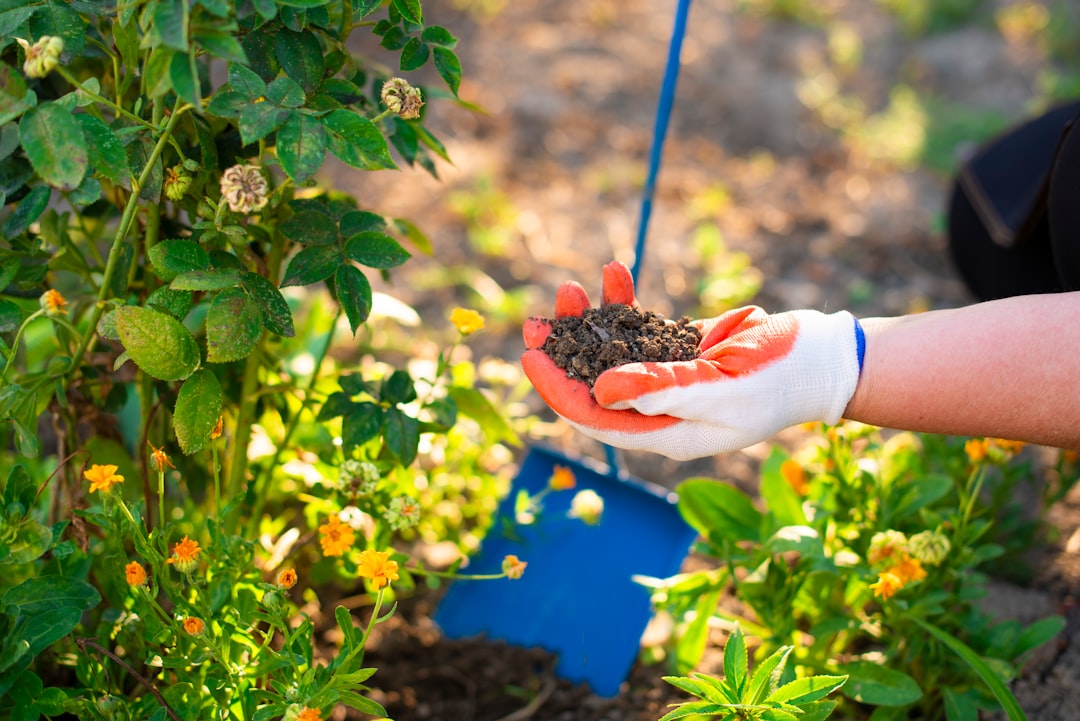
Organic gardening is not just a trend; it’s a sustainable lifestyle choice that promotes environmental health and personal well-being. At Verdant Pathways, we believe that everyone can cultivate their own green space while respecting nature. This guide will introduce you to essential organic gardening techniques that will help you create a thriving garden while minimizing your ecological footprint.
**Understanding Organic Gardening**
Organic gardening focuses on growing plants without synthetic fertilizers, pesticides, or genetically modified organisms (GMOs). Instead, it emphasizes natural processes and materials. By choosing organic methods, you contribute to a healthier ecosystem, support biodiversity, and produce food that is free from harmful chemicals.
**The Value Proposition of Organic Gardening**
One of the primary motivations for adopting organic gardening techniques is the health benefits. Organic produce is often fresher and more nutritious than conventionally grown food. Additionally, by avoiding synthetic chemicals, you reduce the risk of exposure to harmful substances for both yourself and the environment. Furthermore, organic gardening can lead to cost savings in the long run, as it encourages the use of composting and natural pest control methods.
**Essential Techniques for Beginners**
1. **Soil Health**: The foundation of any successful garden is healthy soil. Start by testing your soil to understand its nutrient content and pH level. Amend your soil with organic matter such as compost, which improves soil structure, fertility, and moisture retention.
2. **Crop Rotation**: This technique involves changing the location of your crops each season to prevent soil depletion and reduce pest and disease buildup. By rotating crops, you can enhance soil health and increase yields.
3. **Companion Planting**: Certain plants can benefit each other when grown together. For example, planting marigolds alongside vegetables can deter pests. Research companion planting strategies to maximize your garden’s potential.
4. **Natural Pest Control**: Instead of chemical pesticides, use natural methods to manage pests. Introduce beneficial insects like ladybugs and lacewings, or use homemade sprays made from soap and water to tackle infestations.
5. **Mulching**: Applying a layer of organic mulch around your plants helps retain moisture, suppress weeds, and improve soil quality as it decomposes. Materials like straw, wood chips, or grass clippings work well.
6. **Water Conservation**: Implementing an efficient irrigation system is crucial. Consider drip irrigation or soaker hoses to minimize water waste. Collecting rainwater in barrels is another eco-friendly option that supports sustainable gardening practices.
**The Role of Certification in Organic Gardening**
When purchasing plants or gardening supplies, look for certifications such as USDA Organic. This certification ensures that the products meet strict standards for organic farming and processing. Choosing certified organic products builds trust and guarantees that you are supporting sustainable practices.
**Practical Outcomes of Organic Gardening**
By adopting organic gardening techniques, you can enjoy a bountiful harvest of fresh fruits and vegetables while contributing to a healthier planet. Organic gardens often attract a variety of wildlife, enhancing biodiversity and creating a vibrant ecosystem. Additionally, gardening can be a therapeutic activity, reducing stress and promoting mental well-being.
**Conclusion**
At Verdant Pathways, we are committed to helping you embark on your organic gardening journey. Our services, including garden consultation, planting and installation, and seasonal cleanup, are designed to support your sustainable gardening goals. By choosing organic methods, you not only cultivate a beautiful garden but also make a positive impact on the environment. Start your journey today and discover the joys of organic gardening!